



Table of Contents
TogglePrevent Child Deaths in Africa by 2030
Millions of children die every year around the world. Unfortunately, it is on the African continent where the most deaths occur, despite Africa, in its trajectory of innovation, experiencing a significant milestone in improving maternal and child health.
Even with the progress made in recent decades, the burden of child mortality still falls heavily on Africa, where millions of children continue to die annually from preventable causes.
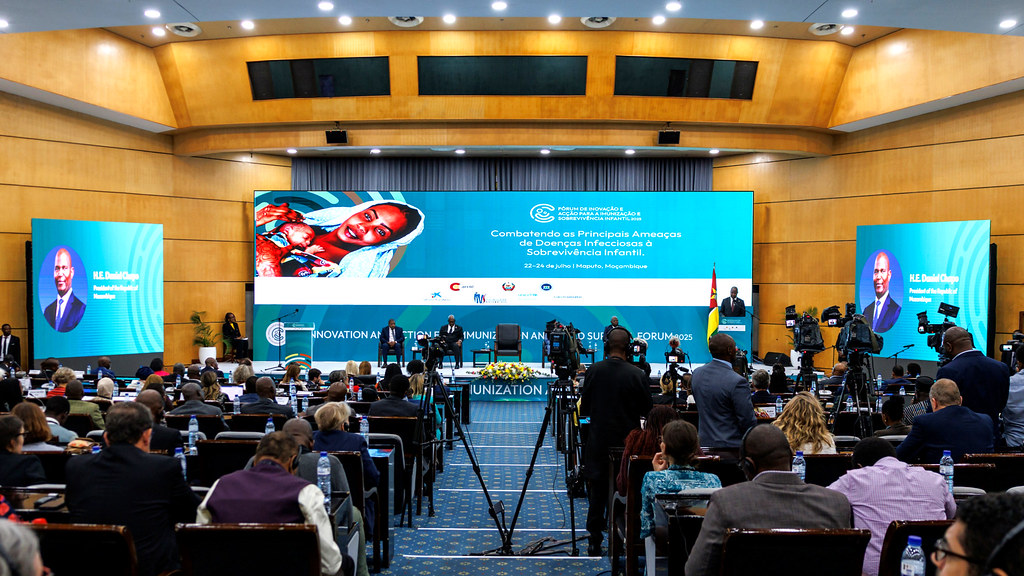
The urgency of coordinated and sustained action led to the holding of the Innovation and Action Forum for Immunization and Child Survival 2025 in Maputo, Mozambique. At this historic event, African countries reaffirmed their commitments, called for courageous action, and defined concrete strategies to protect the continent's future generations.
Africa's Challenges

African countries have made bold commitments to address the continent's maternal and child mortality crisis at a time when a worrying health landscape, including dwindling resources, climate change, and armed conflict, threatens to reverse decades of progress in child health.
Nearly five million children die from preventable causes before the age of five every year. About 60 percent of these deaths occur in Africa, many of them caused by infectious diseases such as pneumonia, diarrhea, malaria, and meningitis. This happens despite the existence of proven interventions, such as vaccines, which have saved 154 million lives over the past 50 years.
With the 2030 deadline for achieving the Sustainable Development Goals (SDGs) approaching, African governments are now redoubling their commitments to end preventable deaths of children under five, as outlined in global targets for the next five years.
During the Forum, representatives from several African countries joined the co-host governments of Mozambique and Sierra Leone, as well as other partners such as the Government of Spain, the La Caixa Foundation, the Gates Foundation, and UNICEF, to share their commitment to prioritizing child survival above all other issues.
Speaking at the official opening ceremony, Daniel Chapo, the President of the Republic of Mozambique, stated:
“The Convention on the Rights of the Child establishes that all children have the right to survive and grow up healthy.”
It is important to remember that Mozambique has made notable progress in protecting these rights, reducing infant mortality from 201 to 60 per 1.000 live births between 1997 and 2022. This progress is the result of decades of structural investment in maternal and child health – one of the fundamental pillars of the Government's Five-Year Plan 2025–2029.
An Urgent Appeal

Despite this encouraging progress, Africa remains the continent where most countries are off track to achieve the Sustainable Development Goals (SDGs).
With this in mind, government officials and other partners called for bold action to strengthen regional leadership, establish strong accountability mechanisms, address inequalities, and mobilize sustainable financing.
Sierra Leone's Minister of Health, Dr. Austin Demby, highlighted that the Forum represented a crucial moment for Africa, providing a unique opportunity to affirm the continent's resilience and strengthen determined African leadership. He emphasized that the meeting was not limited to identifying obstacles, but rather aimed to promote concrete actions that save lives.
Africa has essential tools—including vaccines, diagnostics, treatments, and scientific knowledge—so it is now crucial to ensure political commitment, adequate access to services, timely care, and sustained investment in all phases of the health system.
In this way, the aim is to accelerate progress towards a fairer and healthier future for all African children. Over the three days of proceedings, several speakers highlighted the need to deepen collaboration between sectors, strengthen financing for primary health care, and promote the effective integration of services focused on child survival.
Mozambique's Minister of Health, Dr. Ussene Isse, argued that investing in interventions with high impact and returns, as well as the coordinated mobilization of resources, is a priority. In his view, such measures will not only directly benefit families and communities but will also have positive effects on economic growth and the stability of the African continent as a whole.
The Commitment

Recognizing the urgent need to prioritize the most vulnerable and marginalized communities with the full range of interventions for maternal health and child survival, encompassing primary health care, immunization, nutrition, and disease prevention programs, countries and their partners have joined together in a joint call to action and commitments to:
Strengthen regional leadership:
Promote partnerships between national and regional health organizations, including the African Union, the Africa Centres for Disease Control and Prevention (Africa CDC), the West African Health Organization (WAHO), the Eastern, Central and Southern Africa Health Community (ECSA-HC), and other stakeholders with the capacity to contribute to child survival.
Establish robust accountability:
Ensure that governments, their partners, and civil society are held accountable for their commitments to child survival at the national, regional, and global levels, reporting progress regularly.
Addressing inequalities:
Focus on the most vulnerable children, especially in sub-Saharan Africa, by removing barriers to accessing care, improving maternal education, and addressing risk factors such as malnutrition, lack of access to safe water, sanitation and hygiene, and air pollution, especially in the home.
Mobilize sustainable financing:
Increase domestic and international financing for child survival, prioritizing cost-effective interventions and essential life-saving products that strengthen health systems, and ensuring sustainable financial solutions to reach the most vulnerable groups, including fragile states and those affected by armed conflict.
And, above all, ensure that these resources are flexible to reduce fragmentation and direct funds where and when they are most needed.
Investing in Primary Health Care (PHC):
Increase national investment in resilient PHC systems, including at the community level. This includes ensuring continuity of care, appropriate referral systems, and quality in primary and referral care.
Equip healthcare facilities with diagnostic tools and essential medications for pneumonia, malaria, and diarrhea, as well as sustainable energy sources and internet access to support diagnostics, therapies, and data sharing.
Strengthen multisectoral partnerships and train health professionals to quickly diagnose and treat childhood infections and prevent malnutrition.
Invest decisively in prevention:
Prepare for public health emergency response, especially cholera, as a strategic priority, including strengthening multisectoral coordination, domestic financing, WASH (water, sanitation and hygiene) infrastructure, critical supplies, community engagement and humanitarian access.
Without this investment, routine health services will remain vulnerable to repeated and severe disruptions.
Accelerate vaccination coverage:
Achieve and maintain greater than 90% coverage of life-saving vaccines, including pneumococcal conjugate vaccine (PCV), diphtheria, tetanus, and pertussis (DTP), measles, rotavirus, malaria, meningitis, and typhoid.
Prioritize zero-dose children by integrating vaccination with nutrition and other high-impact child health services—with partnerships that facilitate intersectoral collaboration—to reach the most vulnerable children.
Integrate the provision of services:
Improve child survival services for access, acceptance, and cost-effectiveness. Explore opportunities to deliver child survival interventions and innovations through existing community platforms and identify where continuums of care can occur across maternal, newborn, and child health services.
Enhance surveillance and innovation:
Leverage data from initiatives such as the Child Health Surveillance and Mortality Prevention Network (CHAMPS) to anticipate and respond to epidemiological trends, inform targeted interventions, and accelerate the development and implementation of new tools.
“We have a shared responsibility to ensure that every child has the opportunity to live and thrive ,” said Theo Sowa, President of the Forum.
In making these commitments to the children of Africa , governments, partners and civil society must hold each other accountable for these promises at the national, regional and global levels, regularly reporting on progress and acting decisively to close gaps in child survival so that no child dies from a preventable infectious disease.
The Forum
The Innovation and Action Forum for Immunization and Child Survival 2025 brought together participants from several selected countries in sub-Saharan Africa and beyond, including senior officials from ministries of health, development agencies, donors, academia, civil society, and the private sector.
The meeting focused on new and underutilized tools to advance child survival, more effective risk mitigation and infectious disease surveillance strategies, more efficient service delivery models, the need for robust priority-setting processes, and innovative financing options for child survival.
Conclusion
The mission of ensuring the survival of African children requires, more than ever, concerted action, strong alliances, and practical commitments. The results of the Maputo Forum demonstrate the political will, scientific knowledge, and experience needed to change the course of statistics.
It is now up to governments, partner institutions, and civil society to transform promises into concrete actions, focusing on the most vulnerable children. Because no child's life should be lost for preventable reasons.
What do you think of this forum about children that took place in Mozambique? We want to know your opinion, do not hesitate to comment and if you liked the article, share and give a “like/like”.
Picture: © 2025 Government of Mozambique

